Paris Art Week gathers art, design, collectors, and conversation into a few crowded days. Yet part of its distinction happens away from the fair aisles.
Across the city, historic hôtels particuliers and private apartments open their doors. Art and design leave the controlled clarity of the white wall and enter interiors with histories of their own.
Beyond the White Wall
A white wall has its own intelligence. It removes distraction and allows color, form, and scale to be considered independently.
It can also create distance.
In a historic interior, the relationship changes. Ceiling height alters the sense of scale. Daylight changes hues. Furniture provides another frame of reference. The work is no longer separated from the life around it.
Paris does not simply provide a backdrop.
Its architecture enters the conversation.
Design Needs a Room
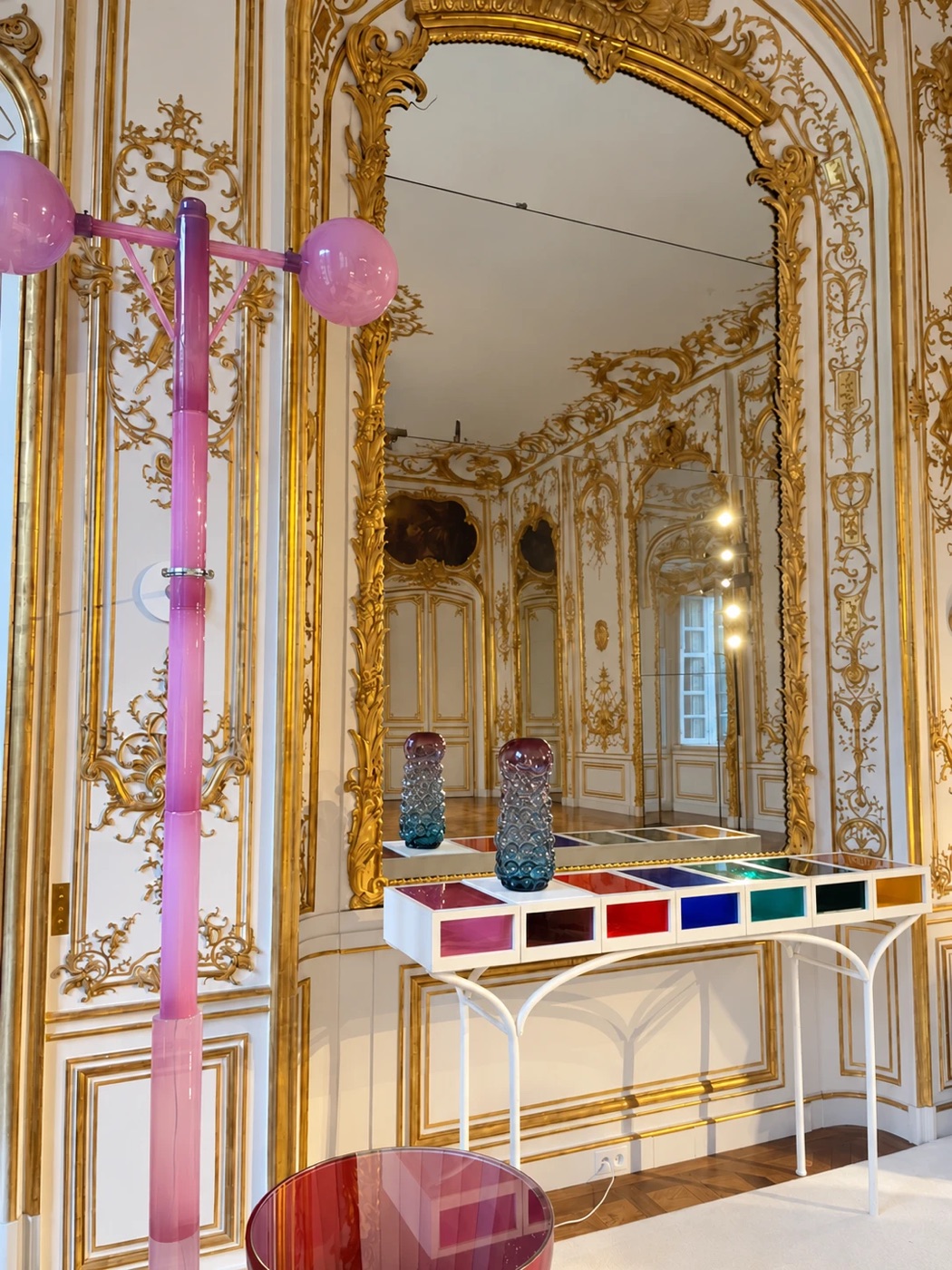
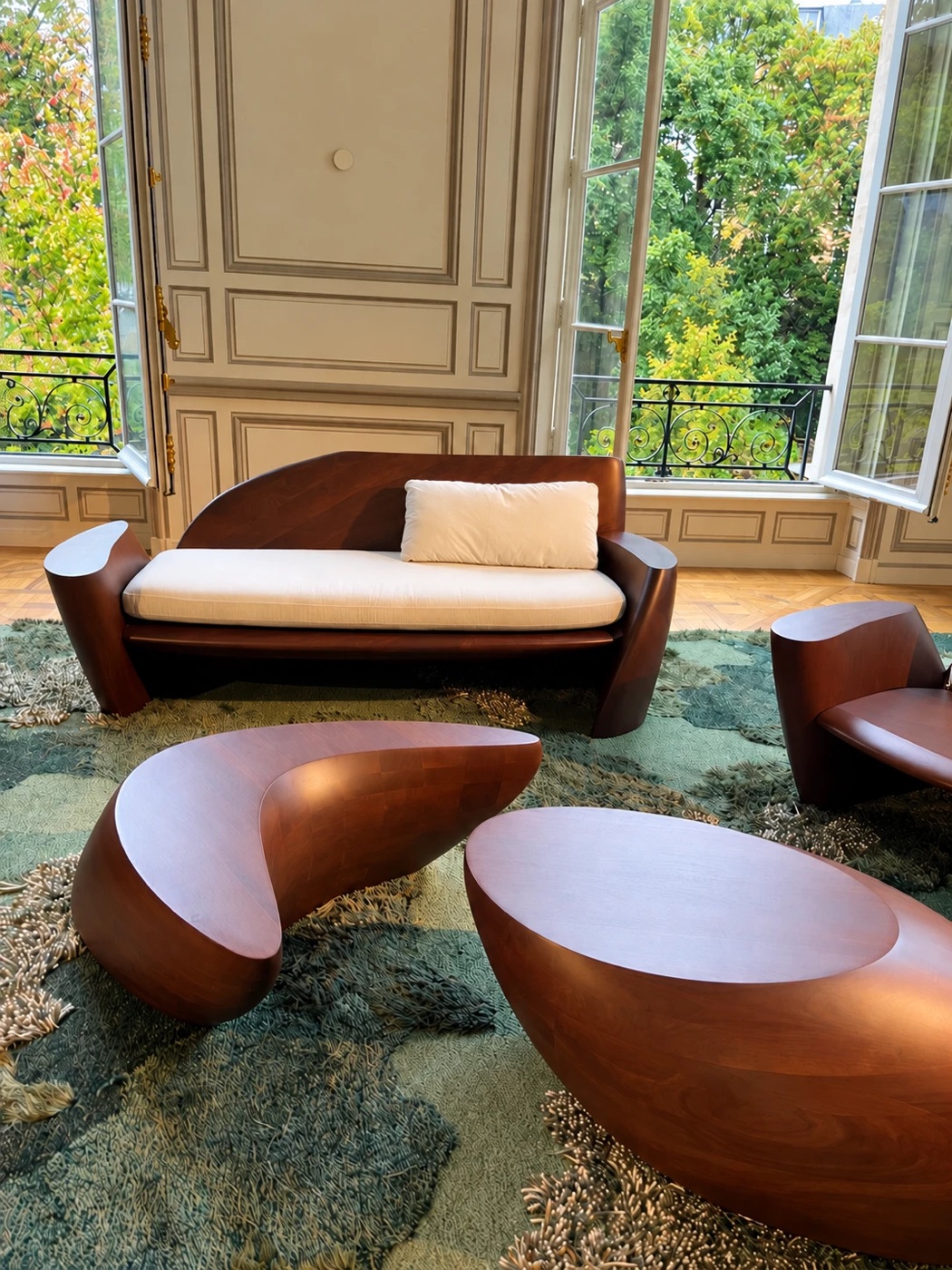
At Design Miami Paris, collectible design entered the eighteenth-century Hôtel de Maisons in the Faubourg Saint-Germain.
Here, the rooms did more than create atmosphere. They gave the objects context.
A chair could be understood in relation to the space around it. Lighting could be appreciated through its effect on the interior. Tables, seating, and sculptural objects formed arrangements whose proportions became clearer against the building's floors, walls, and ceilings.
The interest was not only in the individual pieces, but in how they belonged together within a room.
Design is made to inhabit space. Seen in a domestic setting, it becomes easier to imagine how it might live beyond the fair.
Parisian architecture adds beauty, certainly.
But here it also adds understanding.
Living With a Collection
Private Choice moved the question from display to domestic life.
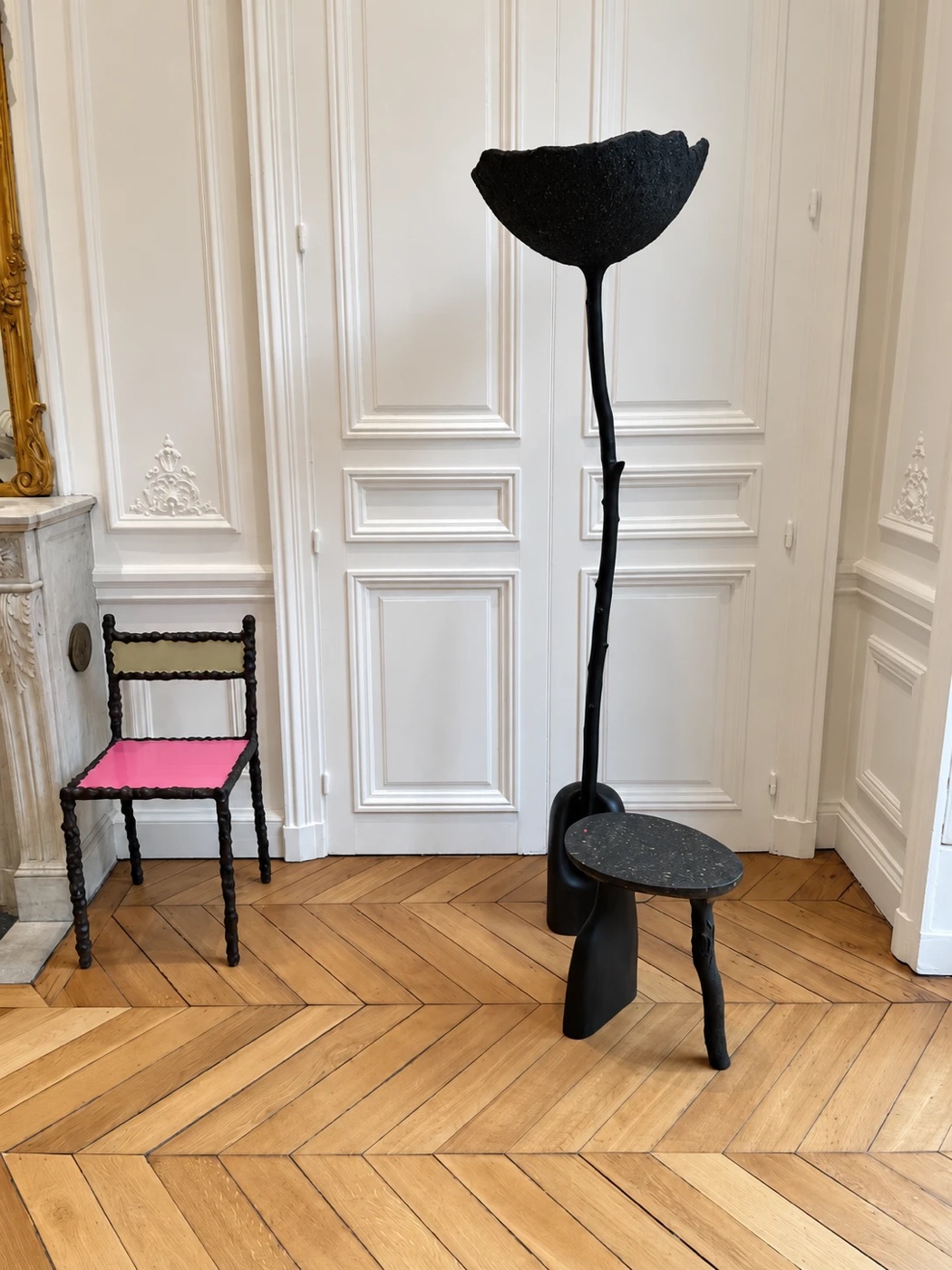
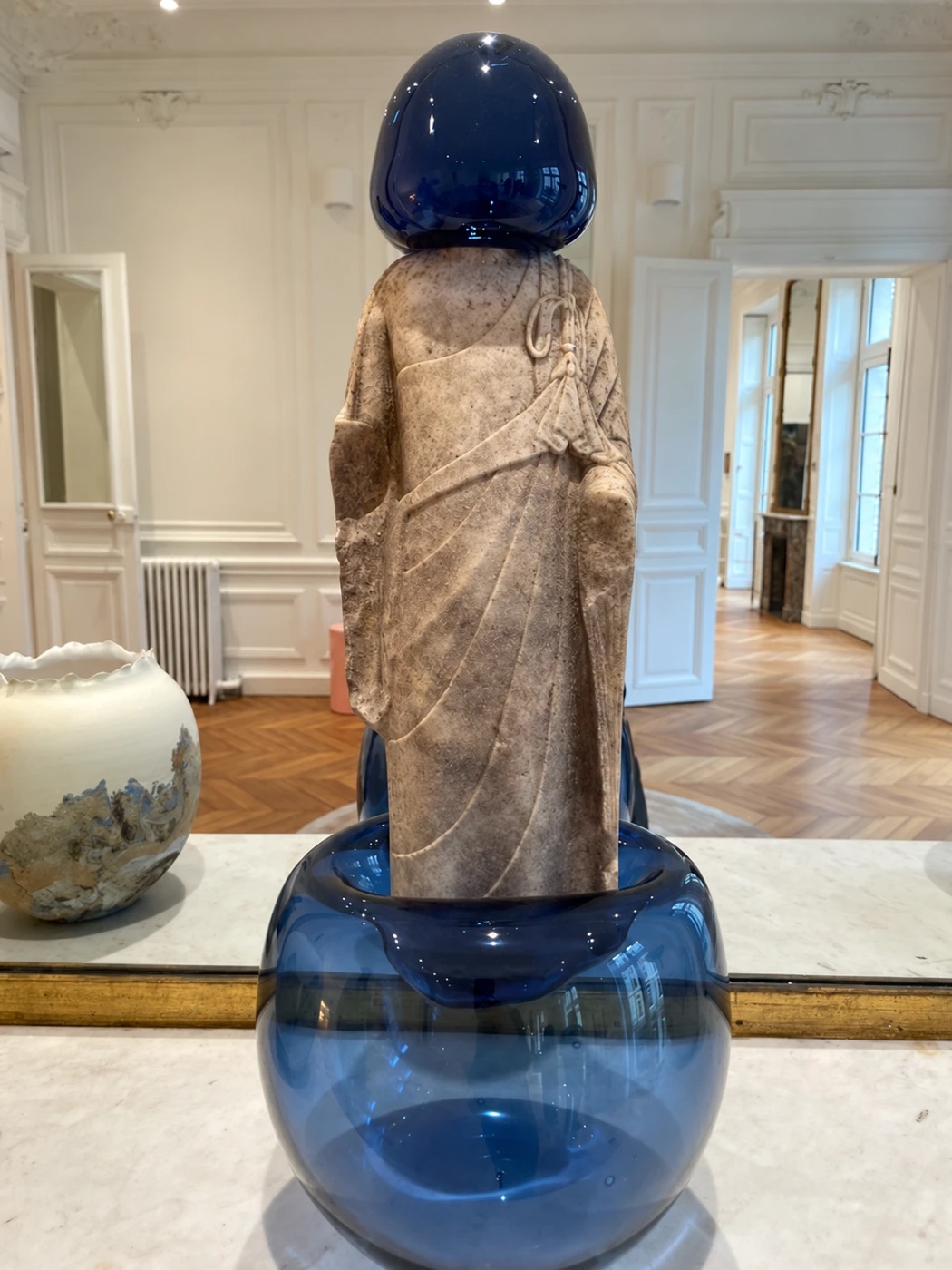
Nadia Candet created the project, transforming a Haussmannian apartment near the Louvre into an ephemeral collection of art, furniture, lighting, and design.
There were no isolated categories. A painting sat beside furniture. Sculpture appeared alongside lighting and decorative objects. Each piece affected how another was read.
The apartment replaced the hierarchy of the booth with coexistence.
Collecting became less abstract.
What would it mean to live with one of these pieces?
The Salon, Reconsidered
Then there was Chez Sotheby's.
Art Basel brought the scale. Paris brought the setting. Chez Sotheby's brought the experience.
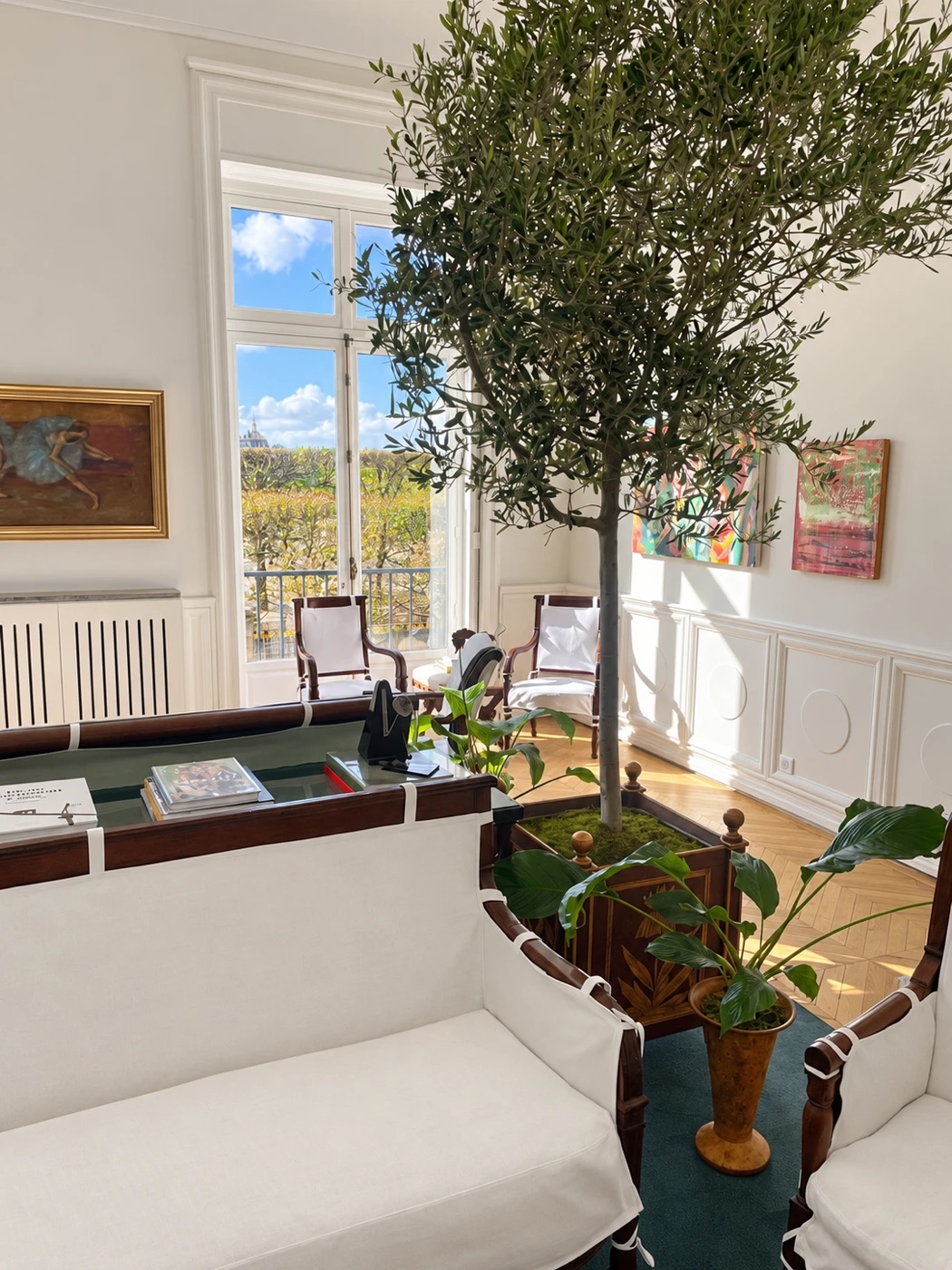
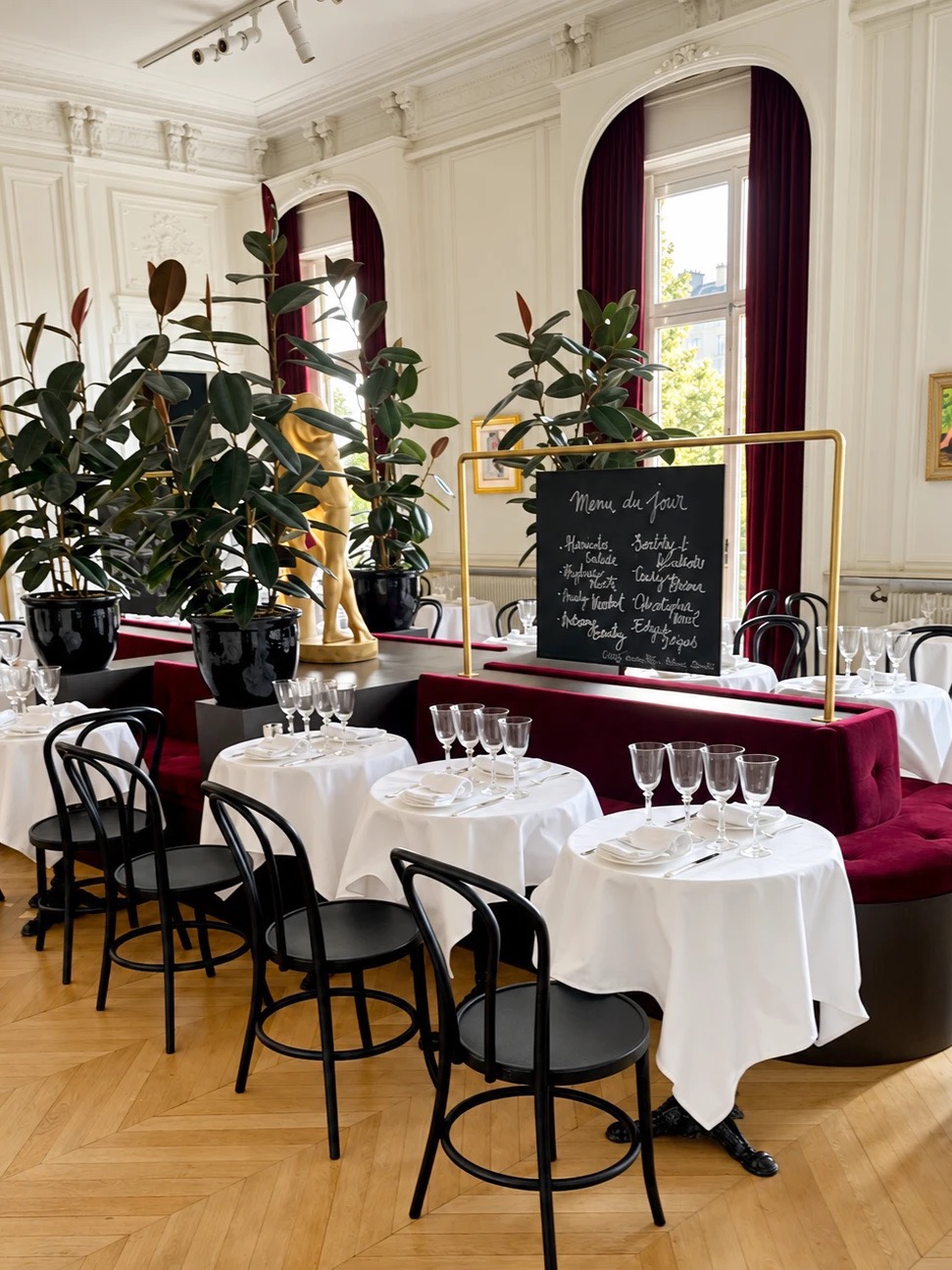
Sotheby's and _POLIMENO presented Modern, Post-War, and Contemporary art in an apartment on Rue de Rivoli overlooking the Tuileries. A restaurant designed by Tarek Shamma formed the center of the presentation.
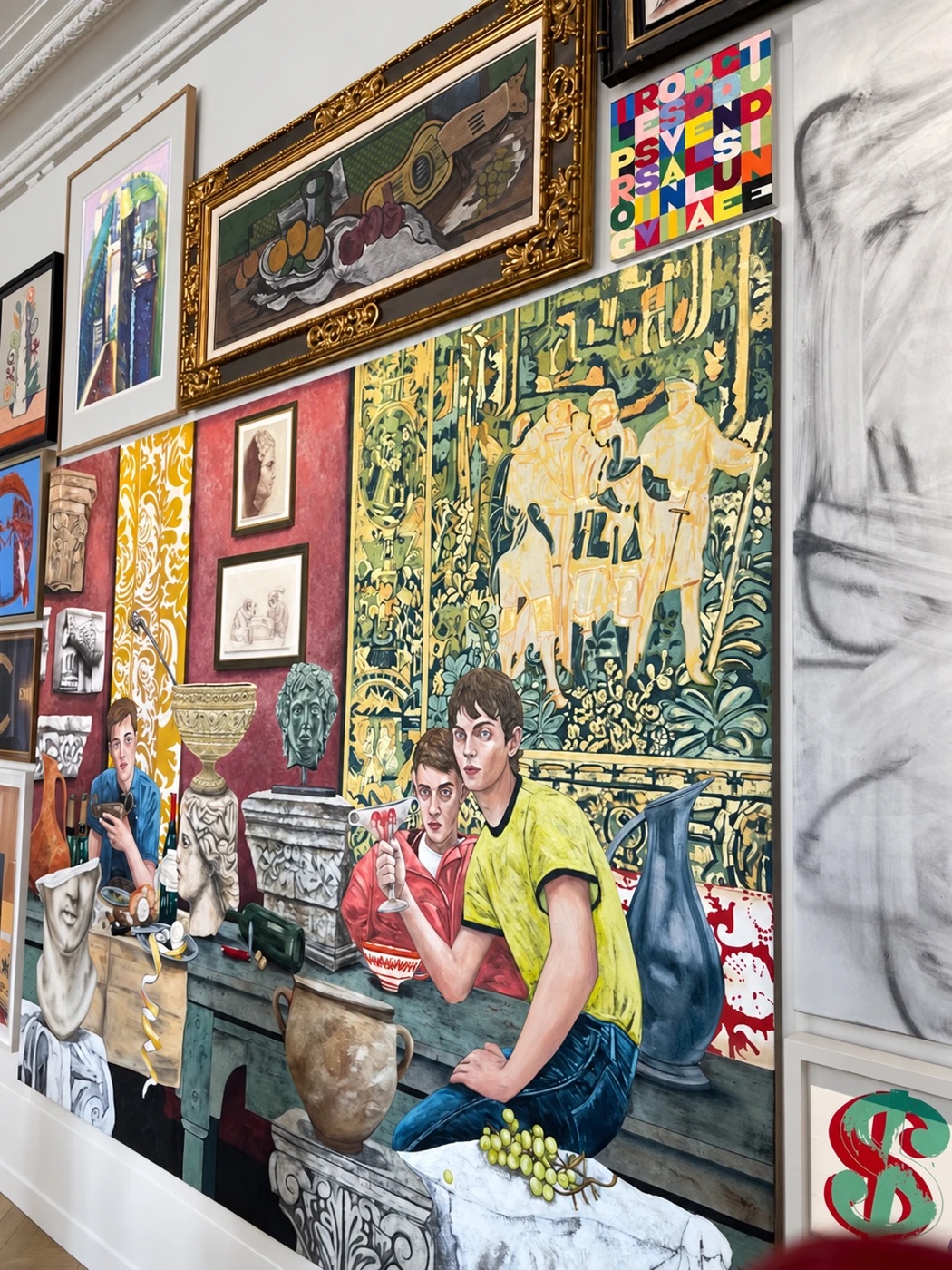
Each space created a different invitation. The salon near the entrance offered a place to sit and talk. The dining area became the focal point, where a salon-style hanging brought art into the shared meal.
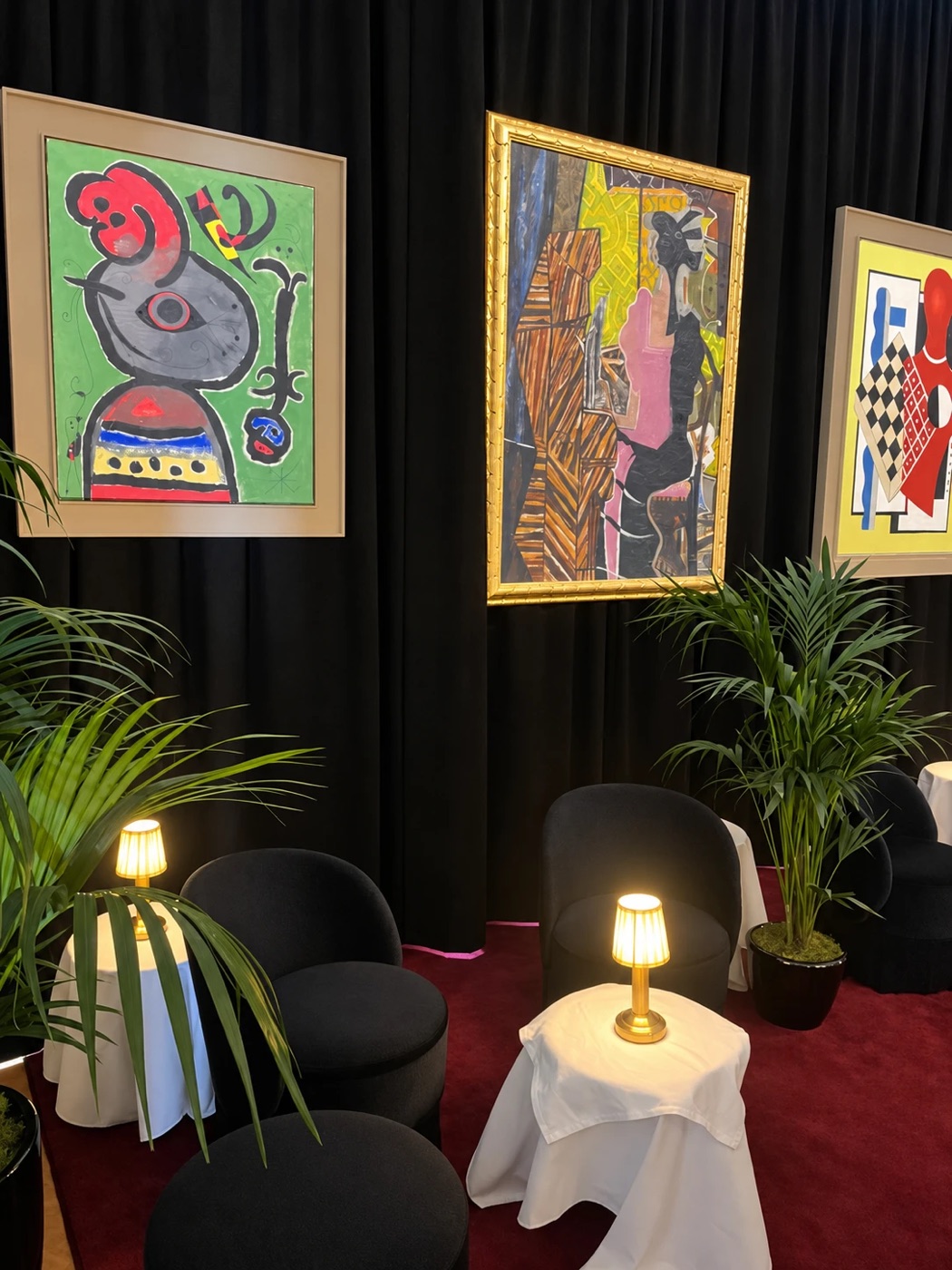
At the bar, dark curtains and lamplight gave the seating area an intimate atmosphere. Around the brighter counter, art hung alongside mirrored shelves lined with glasses. It felt like Paris after dark, even in the middle of the day.
Nothing felt over-staged, yet very little appeared accidental.
The art already carried the prestige.
The atmosphere did not need to perform it.
Final Thought
The city did not simply host Art Basel Paris. It opened its doors and allowed art to enter spaces shaped by centuries of history.
For one week, the city was not only the setting.
It became part of the exhibition.
The art could be collected.
The experience could not.